
A copy was provided by Square Enix for review. Thank you!
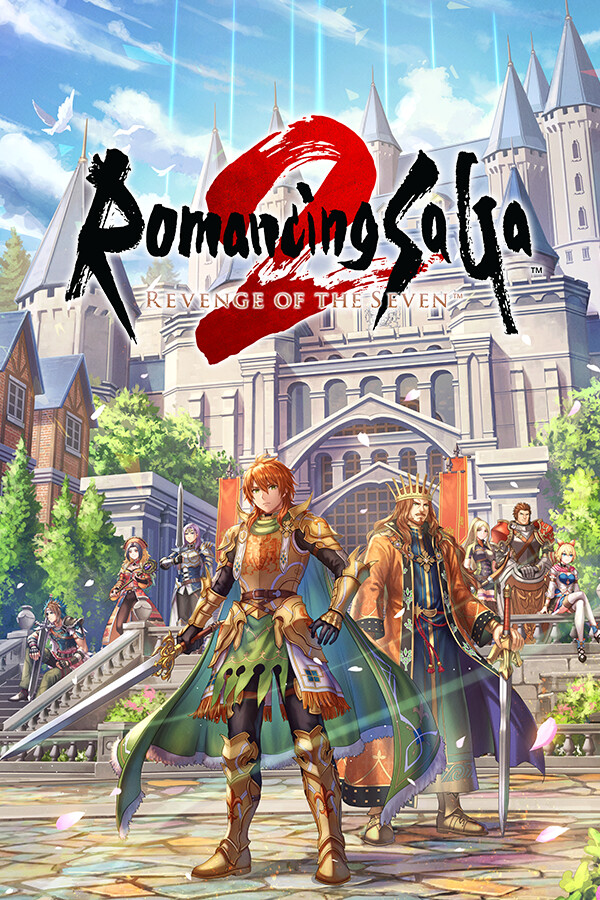
I am a huge JRPG fan. I love the grind to level up as high as possible, the story, and how it feels when all that time investment comes to a head. There are some amazing titles in this genre, like the Persona series (and Metaphor: ReFantazio), Dragon Quest, and Final Fantasy, but none feel quite like the Romancing SaGa series. Instead of following the same principles and mechanics most JRPGs follow, Romancing SaGa takes a non-linear approach that reacts to what you do and how you do it. And Romancing SaGa 2: Revenge of the Seven, the newest entry in the series, is quite possibly the best version of their gameplay style.
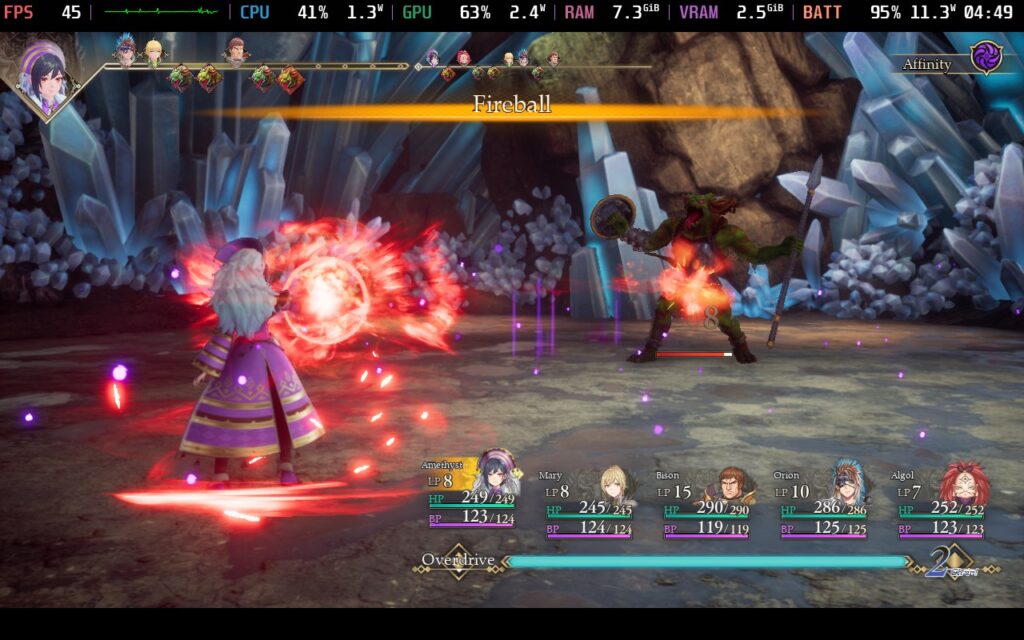
Romancing SaGa 2: Revenge of the Seven is a remake of the original, released in 1993 for the SNES. As one of the best-selling entries in the series, Square Enix decided to completely remake it while retaining and improving on the core aspects of what made the original so great. Not only did they succeed in keeping Romancing SaGa 2 true to itself and the series, but they also created one of the best JRPGs I have ever played when it comes to mechanics.
The biggest aspect of the game is its non-linear story and unconventional way of getting more powerful. The game centers around the Seven Heroes of Legend, who have returned to the land after disappearing years ago and are attacking the people they once protected. You then embark on a journey that takes place over hundreds of years with the mission to defeat the Seven Heroes while helping out everyone you can.
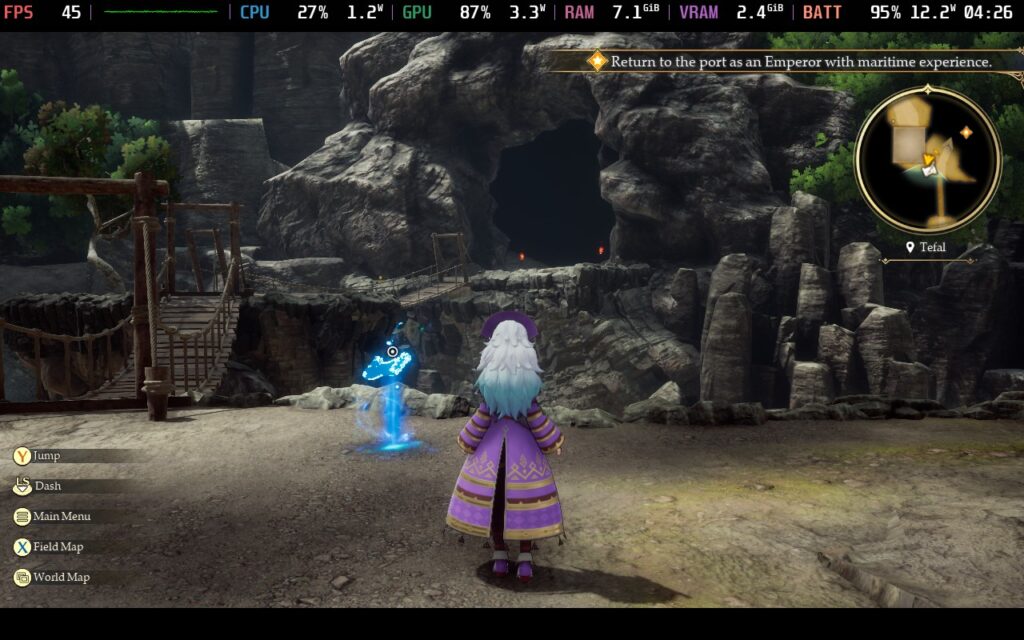
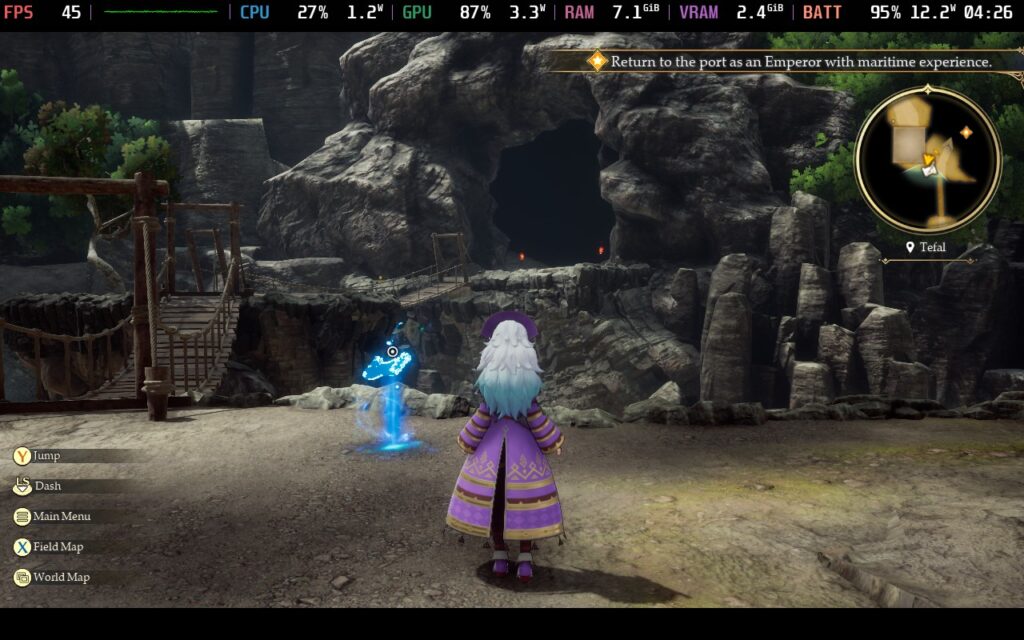
The story is pretty solid and kept me interested overall, but what made me invested was how your actions can alter how the story plays out. When you play, you are given missions that either contribute to the story or move it forward. Depending on what you select and complete, you may experience different outcomes of a mission or a different way of experiencing an event. For example, there was a kingdom that an evil individual took over. While I could complete my mission to take it back, I could also die, leading to me playing as a new emperor, which sends me across to the kingdoms to find the resistance who informs me about what happened before going to help liberate the kingdom. That’s an example of a smaller change, but a very clear one that shocked me when it felt like this story change was always supposed to happen.
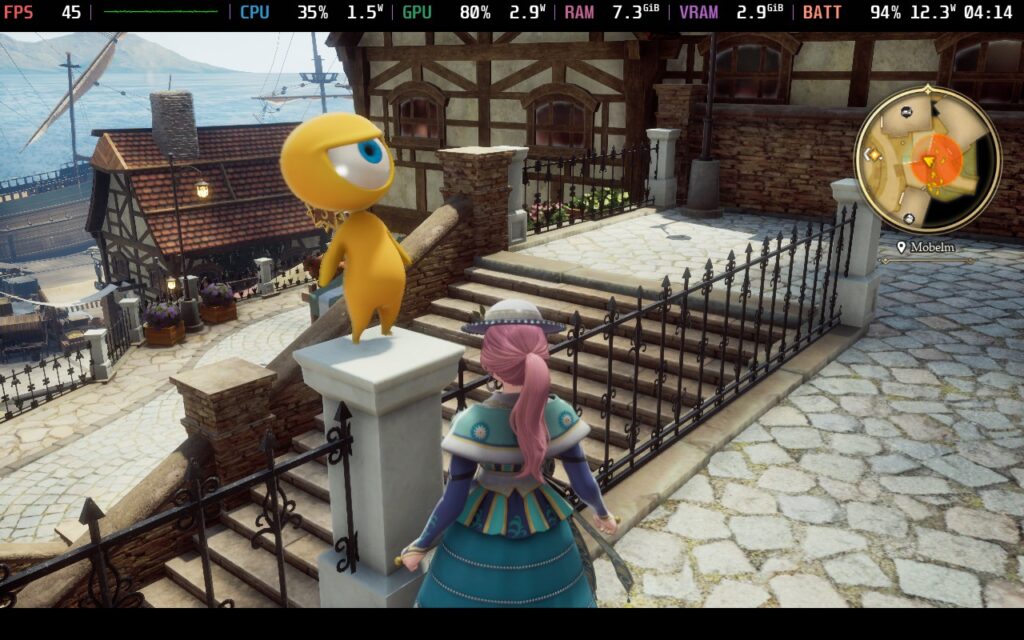
There are also some pillars that can be interacted with that show the history of the Seven Heroes to give more context on how they got to the point they are in now. There are side quests and little yellow characters you can find across the world to get some perks depending on how many you find, which does break up the core gameplay loop a bit.
It’s definitely all very interesting, but the story isn’t the main attraction.
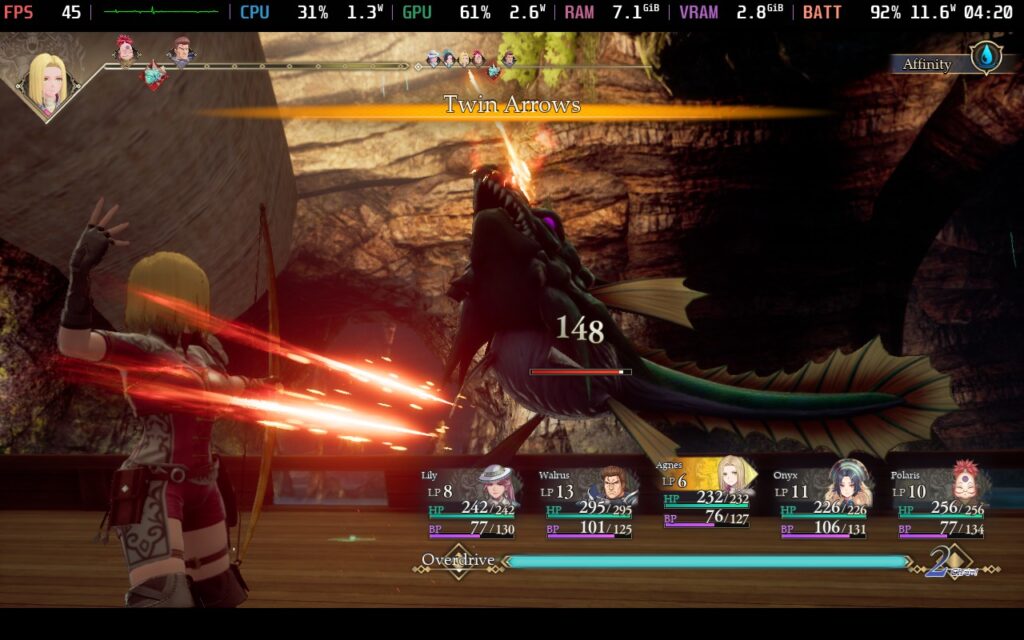
However, I love the Inheritance System in Romancing SaGa 2. This system weaves its way into how you play the game and how it can affect the story and change up much of what you do. Essentially, when you die and get a game over, you choose the next emperor, who inherits your learned skills and weapon levels. The new emperor can be picked from various classes, all with different focuses and abilities, and you can continue to develop your experience to become even more powerful.
My only criticism is that it sometimes doesn’t feel unique to choose someone else to lead. Each character is really a color palette swap of their original class design. I do wish there was a bit more uniqueness to the designs and characters since, in its current state, I didn’t feel invested in any characters more than just their classes.
It fits in perfectly with the unconventional progression system. The game utilizes the normal turn-based combat we have seen many times over, but there are no experience points or character levels. Instead, after each encounter, you will earn technical points. These go into your Health, BP (which allows you to activate skills and use magic), and weapon/spell types. The higher these levels are, the more damage you do.
As for getting new skills, you will actually get them based on the actions you take in fights. So, if you want a new attack/skill to use for your bow and arrow, you will use it more in battle. During the fight, a glimmer of lightbulb may appear above your head, where you will learn a new skill. Lightbulbs on your move list show which attacks may lead to a new skill, which is a fantastic addition to the game. You can turn this off if you want, but I love seeing which attacks I may get new skills from.
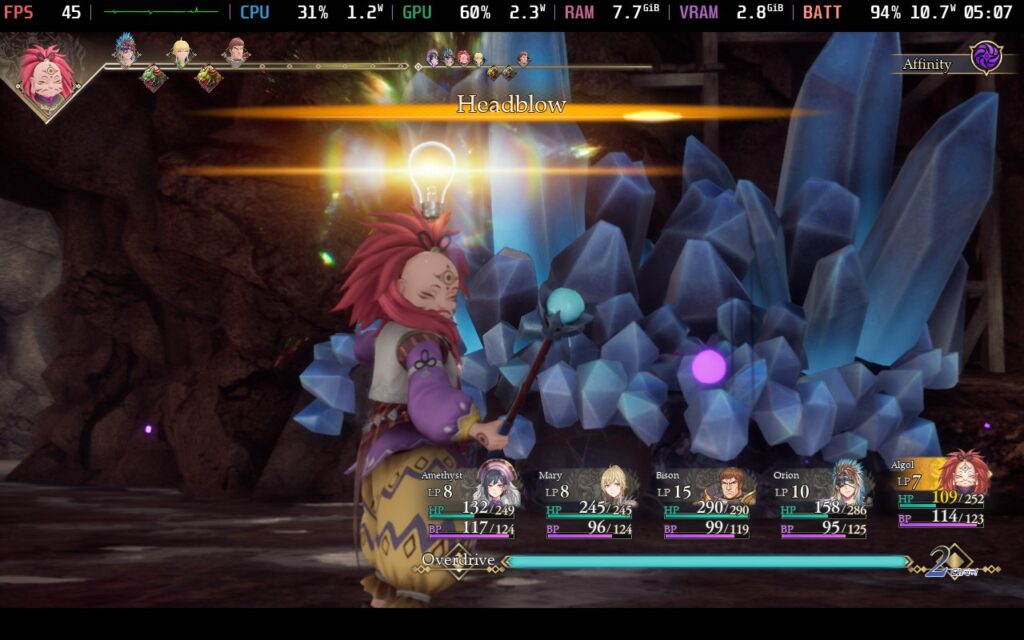
I really love this way of progressing and growing stronger. It’s probably my favorite progression system in any JRPG since it hammered home the feeling that every action I take has some impact. It also allows you to build out each character the way you want to. Every person on your team can use any weapon or spell, but you may have specific abilities or gain more technical points using certain weapon types. If you are a mage, you will have abilities that recover BP and learn new magic faster, while heavy infantry will have abilities to help with parrying and can raise their HP faster.
You can also pick and choose equipment your team can wear, which impacts their defense, ailment resistance, and changes some of your basic stats. It gives you a lot of freedom to choose while also giving benefits if you stick to their class. You can go to any tavern to change your team whenever you want to, which is a nice touch.
With it being more unconventional to play, it won’t appeal to everyone. It’s very different than the more traditional style, and because of that, it may turn some people off. If you are skeptical, I do recommend trying the demo to see for yourself, but I love it. I also really like that fights go relatively fast, and fast-traveling throughout the world map is quick and easy. There’s a solid amount of grinding, but everything going relatively fast makes it bearable.
On top of that, the world of Romancing SaGa 2 is a gorgeous one. It has a solid amount of varied locations, but the entire world looks like a great mix of cartoony and realistic. It’s similar to the Visions of Mana visual style, which I loved. This continues the trend, and I couldn’t be happier for it. There are a couple of areas that really shine and could
Romancing SaGa 2: Revenge of the Seven – Steam Deck Performance
Romancing SaGa 2 feels perfectly at home on the Steam Deck. It runs wonderfully, even at the max settings, and I couldn’t be happier. There are some changes I do recommend making for the best experience, so I will provide a couple of different settings that all provide different ways to play.
I was going to create settings for better battery life, but the recommended settings keep battery down wonderfully, so I will stick with these two:
Recommended Settings
For my recommended settings, I decided to go with the max quality settings with a 45 FPS framerate and TDP limit of 10. The game can handle 60 FPS at max, but there are some areas where it can drop, especially in cutscenes, and I would rather have a more stable experience overall. This also keeps the game feeling very smooth and reduces battery consumption, which are nice bonuses as well. This is my favorite way to play by far and it has the benefits of smooth gameplay, better battery life, and max quality.
60 FPS Settings
If you want something smoother than the recommended settings, you can play the game at 60 FPS, though I do say you should turn down a couple of settings to mitigate some drops in both regular gameplay and some cutscenes. By turning down shadows to Medium and Rendering Precision to High, we get a more stable 60 FPS that can hold in situations that may drain prior. I do think keeping the TDP limit on is okay here as well and does help keep battery drain down, but if you don’t care about drain, you can unlock the limit.
Accessibility
In Romancing SaGa 2, you can change text and voice language, difficulty setting, soundtrack style, text speed, subtitles, camera controls and speed, autosaves, dash style, and audio sliders. You can also change almost every aspect of the UI and hide it, which could be something appealing for older Romancing SaGa, who want a similar experience to the past titles.
The game doesn’t support 16:10 resolutions, so there are black bars at the top and bottom, but we do have controller support and cloud saves. There are no HDR settings.
Conclusion
Romancing SaGa 2: Revenge of the Seven is one of my favorite JRPGs I have played in recent years. The wonderful gameplay mechanics and storytelling that feel unconventional and non-linear succeed in creating a distinctive experience that can’t be easily found anywhere else. I love that the decisions you make impact each aspect of the game, and the Inheritance mechanic is a cool way to change up your playstyle throughout the game and progress the narrative. It won’t appeal to everybody, and I didn’t feel that invested in the characters, but the pros heavily outweighed the cons.
I am also so pleased that playing on the Steam Deck works so well. It’s a ton of fun, runs extremely well, and is such a joy. This is easily the best way to play, and I can’t recommend it enough!
Our review is based on the PC version of this game.
If you enjoyed this review, be sure to check out the rest of the content on SteamDeckHQ! We have a wide variety of game reviews and news that are sure to help your gaming experience. Whether you’re looking for news, tips and tutorials, game settings and reviews, or just want to stay up-to-date on the latest trends, we’ve got your back.